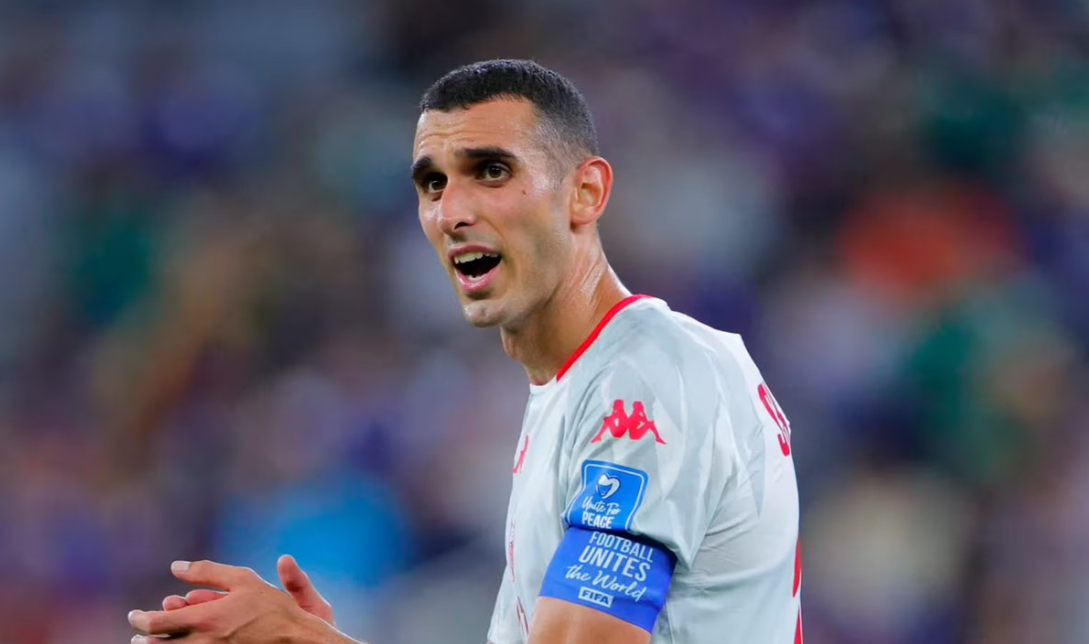
Tunisia’s World Cup Dream Crumbles: Captain Skhiri Admits Team Lacked ‘Required Level’
After a devastating 0-4 loss to Japan, Ellyes Skhiri offers a blunt assessment of the national squad’s readiness for the 2026 World Cup, citing deep-seated issues and insufficient preparation.
Tunisia’s hopes for the 2026 World Cup came to an abrupt and disappointing end this past Saturday, as the national team crashed out of the group stage following a comprehensive 0-4 defeat to Japan. The humbling loss, which followed an earlier 1-5 drubbing by Sweden, prompted a candid admission from captain Ellyes Skhiri: the squad simply “did not have the required level” for the global tournament, leaving fans and players alike grappling with profound disappointment.
A Campaign Marred by Early Exit and Coaching Changes
The North American finals campaign for the ‘Carthage Eagles’ began under a cloud of high expectations but quickly devolved into a series of setbacks. Their opening match saw them concede five goals against Sweden, a result that immediately cost coach Sabri Lamouchi his job. The Tunisian Football Federation swiftly brought in French tactician Hervé Renard, hoping to inject new life and strategy into the struggling team. However, Renard’s tenure started with an equally crushing defeat against Japan, sealing Tunisia’s fate and ending their journey long before the knockout rounds.
Speaking to FIFA’s official website, a visibly dejected Skhiri, who plays for Eintracht Frankfurt, did not mince words. “We must be honest with ourselves. When we look at our performance in the last two matches, the truth is simple: we currently do not have the level required for this tournament. That is the truth. I am very sorry to the Tunisian people,” he stated, acknowledging the widespread frustration among supporters. His apology underscored the deep chasm between national aspirations and on-field reality.
Collective Failure and Preparation Woes
Skhiri extended his regret, adding, “We are extremely sorry and very disappointed. We know that they [the public] are absolutely not satisfied, and apologies alone are not enough.” He emphasized the need for tangible change, declaring, “There is nothing else we can say. We simply have to work, improve, and show it on the field. That is what people expect from us – actions, not just words.”
Defender Ali Abdi echoed his captain’s sentiments, pointing to systemic issues within the team’s setup. The Nice player told reporters, “The problem is collective. When you build a team that hasn’t played a single match together before the World Cup, of course, we will find this result.” He further criticized the preparation timeline, adding, “We came to the World Cup with a second team and a new coach.” Abdi’s voice trembled with emotion as he addressed the authorities, questioning the logic: “A month before the World Cup, you want to improve [the team] while you are playing against teams that have been preparing for four years? It’s unreasonable.” This pointed criticism highlights a significant disconnect between the federation’s approach and the demands of international competition, casting a long shadow over the future of Tunisian football.